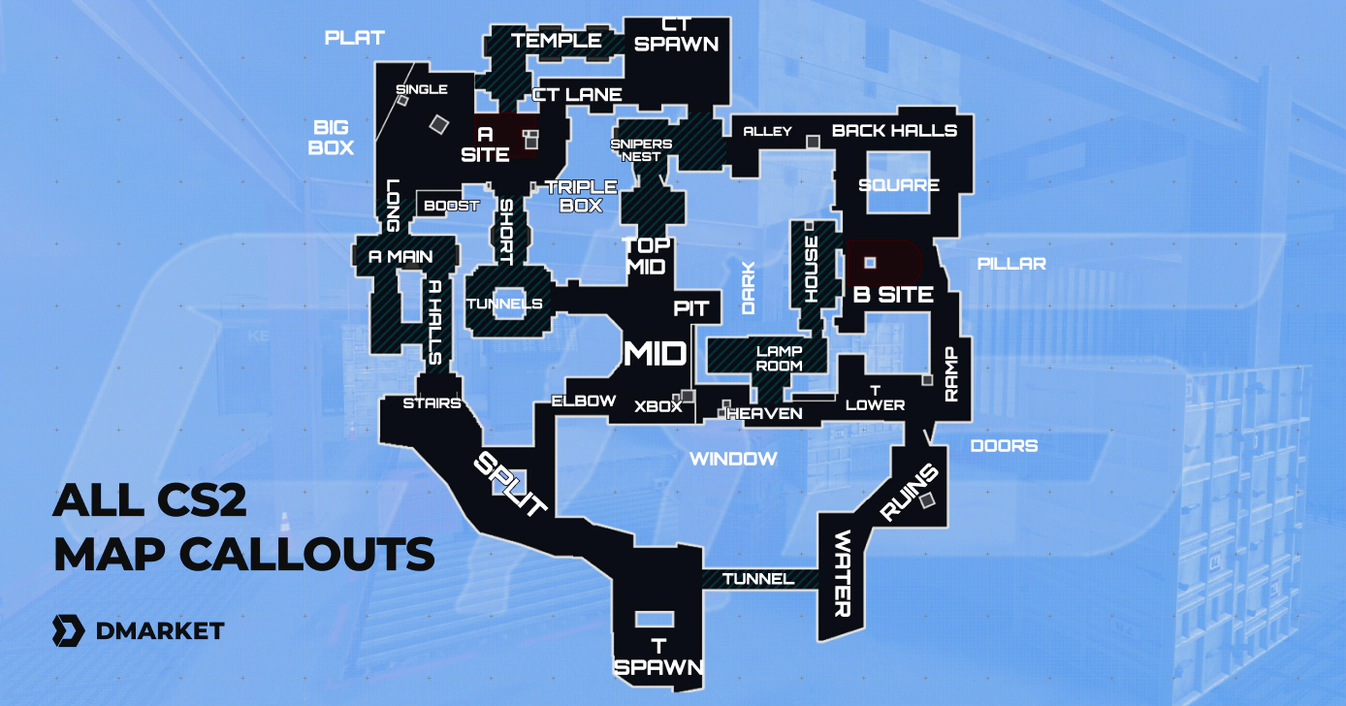
Mastering Pro Callouts: The Ultimate Guide for Gamers
In the world of competitive gaming, pro callouts can be the difference between victory and defeat. Pro callouts refer to using precise and effective communication to share crucial information with your team. Mastering pro callouts not only enhances teamwork but also increases your chances of outsmarting opponents. It's essential to understand the maps you play on and establish a system of callouts that all team members can easily remember. Here are some tips to help you create an efficient callout system:
- Familiarize yourself with map layouts and key locations.
- Create clear and concise callouts that are easy to communicate under pressure.
- Practice using these callouts in actual games with your teammates.
Remember, effective communication is vital in fast-paced gaming environments. Pro callouts should not only include location names but also situational information that can impact your strategy. For example, instead of just saying 'enemy at A,' you could say, '2 enemies at A, one is low health.' This level of detail provides your team with a better understanding of the battlefield. Lastly, consider incorporating pro callouts into your gameplay through regular training sessions or by watching professional matches to see how top players utilize callouts effectively. Start mastering these skills today and watch your game strategy improve dramatically!
Top 10 Essential Callouts for Competitive Play
When it comes to competitive play, understanding the essential callouts is crucial for effective communication and teamwork. Here are the Top 10 Essential Callouts you should incorporate into your strategy to enhance your gameplay:
- Enemy Location: Always specify the exact position of your opponents with precise terms like 'Behind Blue Box' or 'At the Fork.'
- Weapon Callouts: Clearly state which weapons your teammates have spotted on the map, such as 'There’s a sniper on the roof.'
- Health Status: Inform teammates of your health levels or if you spot health packs available by saying, 'I’m at 50 HP' or 'There’s a health kit in the corner.'
- Ultimate Status: Indicate when your ultimate abilities are ready so teammates can plan their strategies accordingly.
- Objective Status: Communicate the status of objectives, such as 'The bomb is down in B-site.'
- Enemy Count: Inform your team about the number of enemies spotted; for example, 'I saw two enemies pushing from mid.'
- Map Control: Talk about areas that your team holds, like 'We control the high ground.'
- Flank Callouts: Be aware of potential flanks and call them out to prevent surprise attacks.
- Push or Retreat Signals: Clearly coordinate your team’s actions with phrases like 'Let’s push together' or 'We need to fall back.'
- Timing Information: Keep track of timing for objectives and cooldowns, telling your team when a critical window is open for attack.
Utilizing these Top 10 Essential Callouts not only improves your communication but also enhances your team's synergy and effectiveness in competitive scenarios. Being succinct and clear can make all the difference in high-pressure situations. Additionally, it’s essential to adapt your callouts based on your team’s needs and gameplay style, ensuring everyone is on the same page and ready to respond quickly. Mastering this aspect of gameplay will undoubtedly elevate your competitive experience.
How to Effectively Use Callouts to Secure Victory in Your Matches
In competitive matches, callouts serve as essential communication tools that can significantly enhance your team's performance. By effectively using callouts, you ensure that all teammates are on the same page, which diminishes confusion and boosts coordination. To achieve this, start with the basics — clearly identify locations, enemies, and strategies. For instance, using precise terminology like 'sniper on the roof' or 'enemy flanking left' provides actionable intelligence that can turnaround the tide of the game. Additionally, try implementing a callout strategy where each team member specializes in a specific area on the map, making it easier to relay information quickly and efficiently.
Moreover, timing and tone are critical when delivering callouts. A rushed or panicked call can lead to mistakes, while a calm and concise message helps maintain focus. When communicating, prioritize key information and avoid unnecessary details to prevent overload. For example, using a simple numbered callout method can categorize critical areas: 1 for 'mid', 2 for 'spark', etc. This kind of structure not only simplifies communication but also allows for quicker decision-making in high-pressure situations. Remember, the goal of effective callouts is to secure victory by fostering teamwork and ensuring that every player is informed and ready to act!