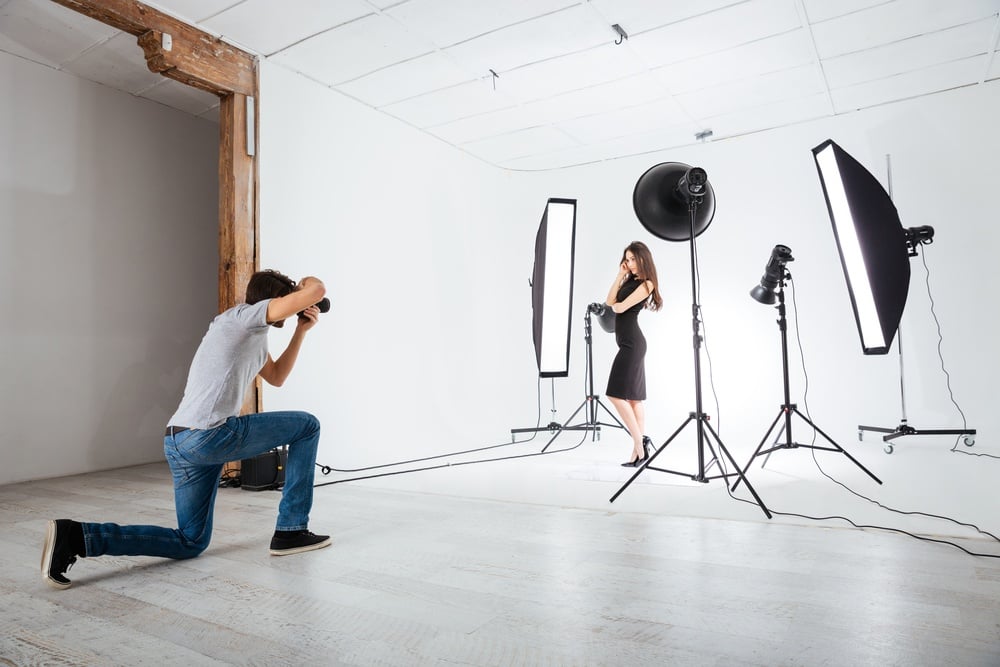
Top 5 Lighting Techniques for Captivating Studio Photography
When it comes to studio photography, mastering lighting techniques is essential for creating stunning and captivating images. Here are the top 5 lighting techniques that every photographer should know:
- Three-Point Lighting: This classic technique involves using three light sources: the key light, fill light, and back light to create depth and dimension in your photographs.
- Rembrandt Lighting: Characterized by the distinct triangle of light on the subject's cheek, this technique adds drama and emotion to portraits.
- High-Key Lighting: Ideal for bright and airy images, high-key lighting involves using multiple light sources to minimize shadows and create a soft, luminous look.
- Low-Key Lighting: This technique focuses on high contrast and shadow to evoke mood and intensity, perfect for artistic portraits.
- Natural Light Simulation: Using artificial lights to mimic the qualities of natural light can result in soft and flattering images that feel authentic.
The Essential Gear Guide: What You Need for Stunning Studio Shots
Capturing stunning studio shots requires a careful selection of essential gear. The foundation of your equipment should include a high-quality DSLR or mirrorless camera, which provides superior image quality and versatility. Pair it with a selection of prime lenses, such as a 50mm or 85mm lens, for beautiful portraits and crisp details. Additionally, investing in a sturdy tripod is crucial, as it ensures stability and allows you to experiment with longer exposure times, a must for achieving that professional look.
Lighting is arguably the most important factor in photography, making it essential to equip your studio with professional lighting gear. Start with a set of softbox lights to create soft, diffused illumination, minimizing harsh shadows. Consider adding a reflector to bounce light and enhance your subject’s features. Don't overlook the benefit of backdrops; having a variety of colors and textures can significantly elevate your studio shots. Finally, investing in a remote shutter release allows you to capture images without camera shake, leading to crisper shots.
How to Pose Subjects for Maximum Impact in Studio Portraits
Effective posing is crucial for creating studio portraits that leave a lasting impression. One of the key techniques is to understand the primary angles of your subject. Begin by having them stand at a slight angle to the camera, which helps create depth and dimension in the photograph. You can also experiment with body language; subtle shifts in the shoulders or hands can convey different emotions and narratives. Not only does this improve the overall composition, but it also enhances the subject's features, resulting in a more striking image.
Furthermore, guiding your subjects with clear instructions can make a significant difference. Explain what you want them to do, whether it’s tilting their head slightly or adjusting their gaze. Encouraging natural expressions can transform a photograph from ordinary to extraordinary. Consider using prompts or asking them to think of a memorable moment, which often elicits genuine smiles and more relaxed poses. Remember, the goal is to create a comfortable atmosphere that allows your subjects to shine, leading to engaging and impactful portraits.