10 Essential Usability Tips to Enhance Your Website
Improving your website's usability is crucial for ensuring that visitors have a positive experience. Here are 10 essential usability tips to enhance your website:
- Simple Navigation: Make sure your navigation menu is clear and concise. Use familiar terminology and limit the number of items to avoid overwhelming users.
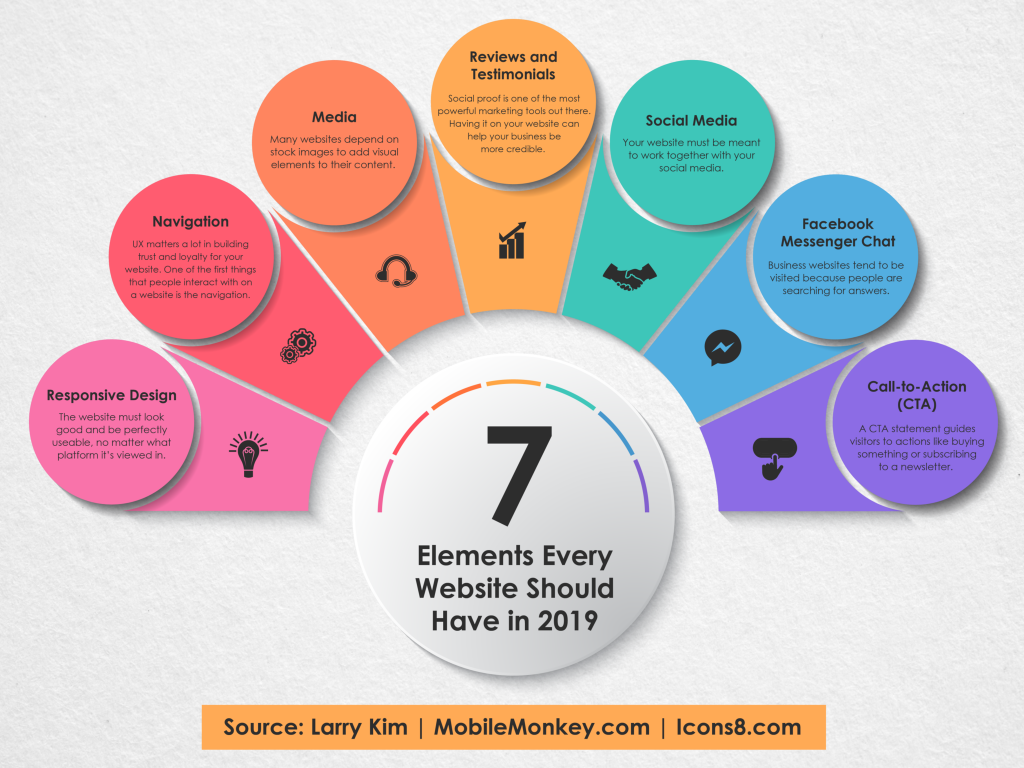
- Responsive Design: Ensure your website is mobile-friendly. A responsive design will make your site accessible on all devices, enhancing user experience.
- Fast Loading Speed: Optimize images and scripts to improve your site's loading speed. Slow websites can frustrate users and increase bounce rates.
- Readable Content: Use legible fonts and suitable background colors. Ensure that your text contrast is high enough to make reading effortless.
Continuing with usability tips:
- Consistent Layout: Maintain a consistent layout across all pages. This helps users know what to expect and find information more easily.
- Effective Use of White Space: Incorporate white space to create uncluttered designs, allowing users to focus on important elements.
- Accessible Design: Use alt text for images and ensure your site’s color scheme accommodates users with visual impairments.
- Clear Call to Action: Make your calls to action bold and noticeable. This guides users toward desired actions on your site.
- Regular Testing: Continuously test your site with real users to identify pain points and areas for improvement, ensuring sustained usability.
Is Your Website User-Friendly? Key Usability Factors to Consider
Evaluating whether your website is user-friendly is crucial for retaining visitors and encouraging conversions. Key usability factors to consider include navigation simplicity, loading speed, and overall layout. Navigation should be intuitive, enabling users to find what they’re looking for without confusion. Additionally, a well-structured layout enhances readability and helps visitors access important information quickly.
Another vital aspect is mobile responsiveness. With a significant amount of web traffic coming from mobile devices, ensuring that your website adapts seamlessly to different screen sizes is essential. User feedback is also invaluable in understanding usability; consider implementing tools or methods to gather insights on how real users interact with your site. Always remember that a user-friendly website not only attracts visitors but keeps them engaged and encourages return visits.
How Usability Can Boost Your Website's Conversion Rates
In the digital landscape, usability plays a crucial role in determining the effectiveness of a website. A user-friendly design ensures that visitors can navigate your site effortlessly, leading to a more satisfying experience. When users find it easy to locate the information they need or complete actions such as making a purchase or signing up for a newsletter, the likelihood of conversion significantly increases. By optimizing your website's usability, you not only enhance user satisfaction but also instill trust and credibility, which are essential factors in driving conversions.
To effectively boost your website's conversion rates through improved usability, consider implementing the following strategies:
- Simplify Navigation: Ensure that your menus are clear and logical, allowing users to find what they’re looking for without frustration.
- Enhance Load Speed: A slow website can deter users. Optimize images and use efficient coding practices to enhance load times.
- Responsive Design: With the rise of mobile browsing, ensure your site is mobile-friendly to cater to all users.
- Clear Calls-to-Action: Make your calls-to-action prominent and compelling, guiding users towards conversion with concise and persuasive text.