5 Effective Study Strategies to Combat Test Anxiety
Test anxiety can be a significant barrier to academic success, but implementing effective study strategies can help you manage this stress. One of the most powerful techniques is to create a structured study schedule. Break down the material into smaller, manageable sections and assign specific times for each topic. This not only ensures comprehensive coverage but also helps to build confidence as you complete each segment. Another effective strategy is to use active learning methods, such as teaching the material to someone else or discussing it in a study group, which can solidify your understanding and ease anxiety.
In addition to structuring your study sessions, consider incorporating relaxation techniques into your routine. Deep breathing exercises and mindfulness meditation can calm your mind, allowing for better focus during study times. Further, simulate the test environment by practicing with past exams or timed quizzes, which can help to desensitize you to the pressure of the actual test day. Remember, it's essential to maintain a balanced lifestyle during this period, including regular exercise and adequate sleep, to minimize test anxiety and enhance your overall performance.
How to Develop a Study Schedule that Works for You
Creating a study schedule that works for you is essential for academic success. Start by assessing your current commitments. List your classes, work hours, and personal obligations to get a clear picture of your available time. This will help you identify blocks of time that can be dedicated to studying. Next, prioritize your subjects based on difficulty and your familiarity with the material. Consider using a weekly planner or digital calendar to visualize your study blocks, ensuring that you allocate adequate time for each subject.
Once you have your schedule set, it’s crucial to stick to it as much as possible. Here are some tips to make your study schedule effective:
- Incorporate short breaks to prevent burnout.
- Set specific goals for each study session.
- Stay flexible and adjust your schedule as needed.
- Review and reflect on what works and what doesn’t after a few weeks.
What to Do the Night Before a Big Test: Tips for Success
Preparation is key when it comes to succeeding in a big test. The night before, prioritize your study materials to ensure you focus on the most important topics. Start by creating a study schedule that highlights essential concepts. A well-organized plan will help you avoid feeling overwhelmed. Additionally, consider gathering all the materials you’ll need for the test, such as pens, pencils, and a calculator, and place them in a designated spot for easy access. This simple act can reduce stress and allow for a more efficient morning routine.
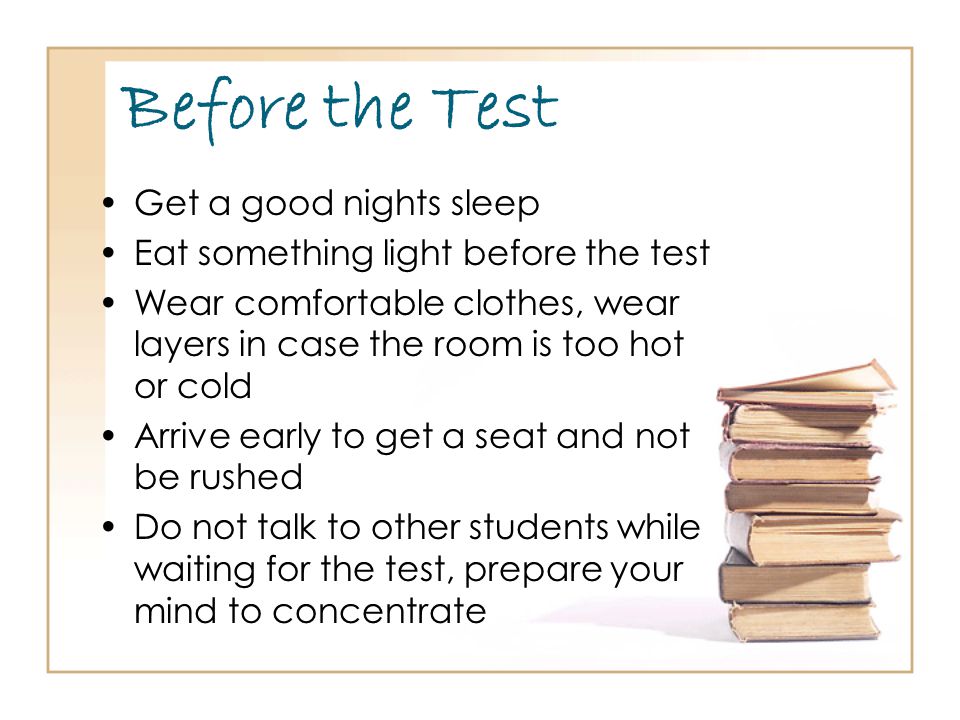
In addition to studying, it’s crucial to take care of your body and mind the night before the test. Ensure you get a good night's sleep by establishing a calming pre-bedtime routine. This might include activities like reading, meditation, or light stretching. Avoid screens and heavy meals that can disrupt your sleep cycle. Remember, your brain needs adequate rest to perform at its best. Finally, remain positive and visualize your success. A positive mindset can boost your confidence and help alleviate test anxiety, setting you up for a successful performance.